Nobody designed your organization to work this way.
Most of it made sense once. Whether it still does is a different question.
Every reasonable decision shapes the organization. Not every change continues to serve it.
What made sense then may no longer serve the business today. Yet those decisions remain, hidden in plain sight, adding operational load and continuing to cost the organization.
A top performer gets pulled into solving every critical issue.
The organization becomes increasingly dependent on individuals instead of building capability.
Decision-making moves upward to reduce risk.
Execution slows while ownership weakens throughout the organization.
New processes and approvals solve today’s issue.
The work continues long after their original purpose has passed.
People adapt to unnecessary friction.
Inefficiency becomes the accepted way work gets done.
Visible problems get addressed.
The underlying causes continue to drag down the organization in ways few leaders recognize.
A perspective earned, not invented.
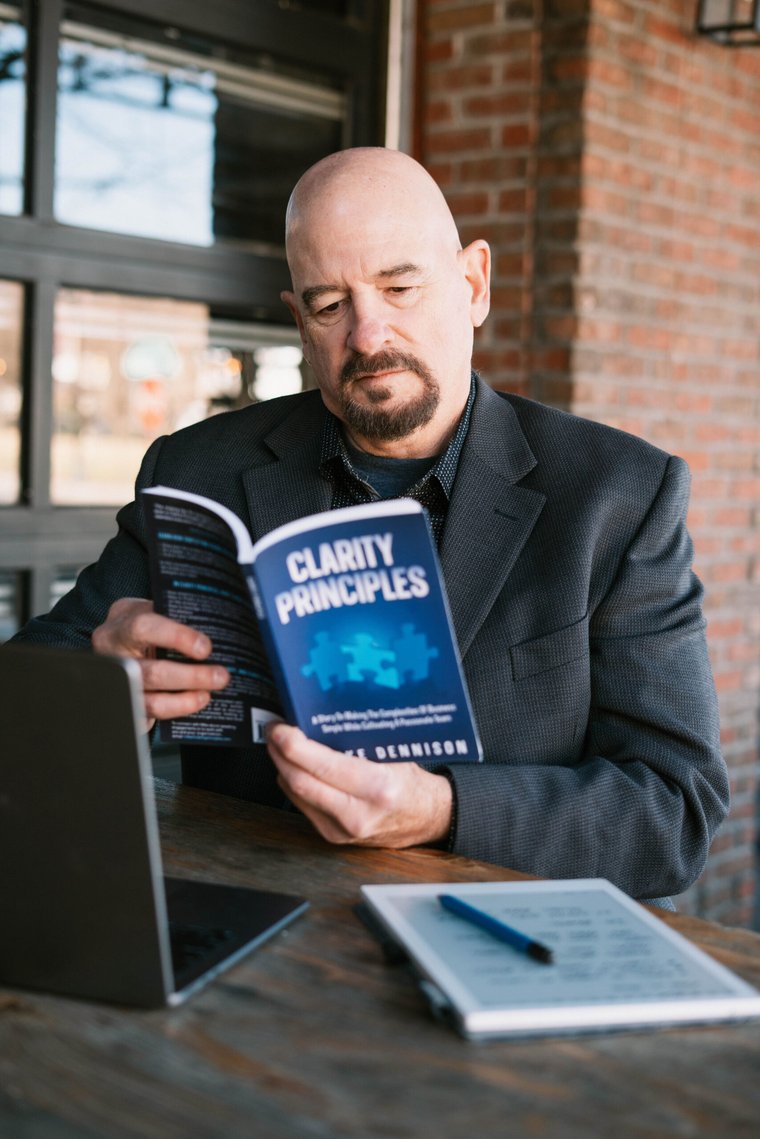
Mike Dennison spent thirty years inside complex organizations, across industries, roles, and seats at the table most people never get to sit in.
What he noticed was not dysfunction. It was pattern. The same patterns kept appearing, in organizations that had nothing else in common.
None of these things happened because someone made a bad decision. They happened because someone made a reasonable one, for a reason that made sense, at the time.
Organizations do not usually break. They accumulate, one decision at a time, until the organization looks nothing like the one anyone designed on purpose.
He begins with questions, not recommendations.
Mike does not walk in with an answer. He walks in with a way of seeing, and applies it before proposing any change.
He observes how the organization actually operates, not how the org chart says it does.
He asks why something works the way it does, assuming there was a good reason before assuming there should be a different one.
He gathers evidence, not opinions, until what is true becomes clear to the whole leadership team.
Together, they determine what still serves the organization, and reshape what no longer does. The goal is never criticism. It is clarity.
Thirty years of seats at the table.
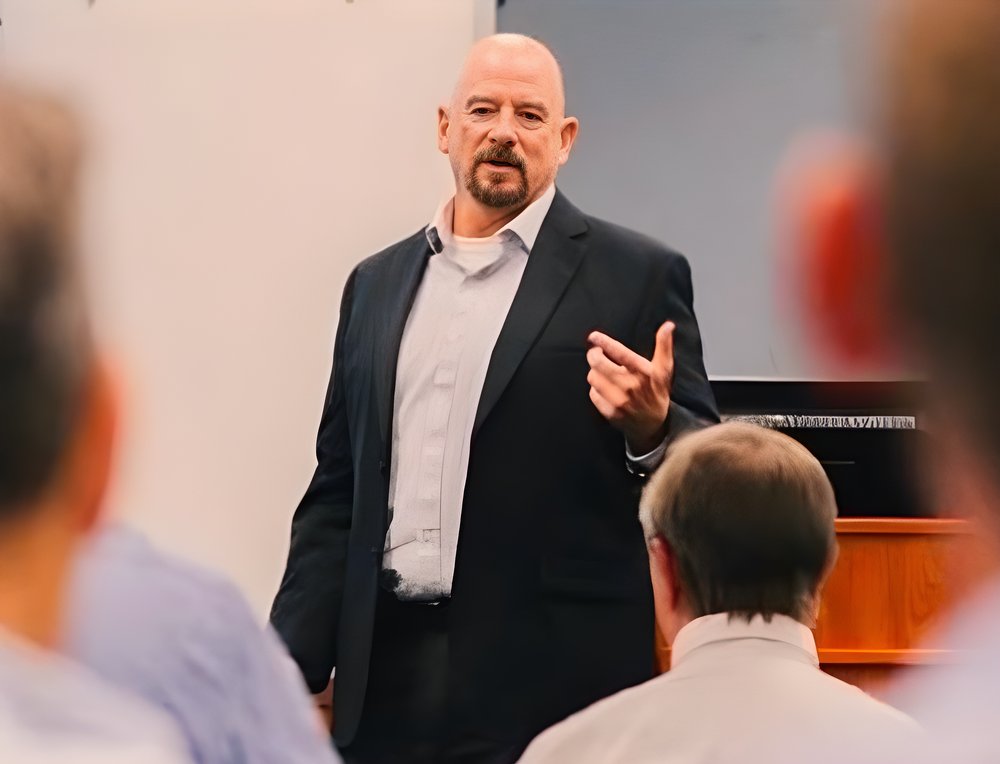
Mike Dennison has a way of helping leaders name what many of us feel inside growing organizations. Things still work, but somehow everything starts to feel heavier. Decisions take longer. Coordination takes more effort. Too much depends on too few people. Complexity starts moving faster than clarity.
Eddie Gonzalez Loumiet Partner & Chairman, Ruvos · Chair, Tallahassee Chamber of CommerceIncluding Amazon · Chrysler · Disney · General Motors · Harley-Davidson · MetLife · United Healthcare · USAA · Walmart · Warner Bros.
Three simple ways to start.
Clarity Conversation
Start with a complimentary 30-minute conversation with Mike about what matters most to you and your organization.
Start a conversation →Clarity Assessment
Take the complimentary two-minute assessment to recognize the patterns shaping your organization.
Take the assessment →Clarity Principles Book
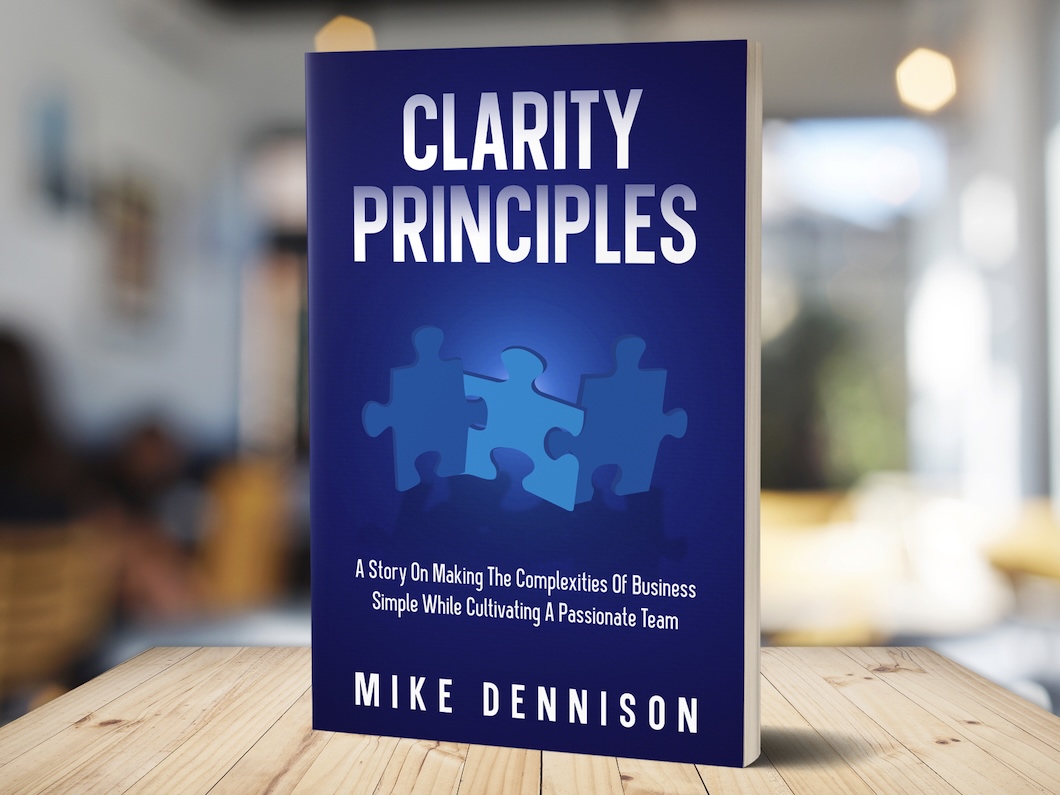
The insights and perspective that shape my work, captured in my #1 bestselling book.
Get the book →When greater clarity requires deeper work.
Leadership Clarity Session
A focused engagement built to surface what has become normal, before it becomes expensive.
Strategic Advisory
Ongoing partnership with a leadership team learning to see their organization clearly, and reshape what no longer serves it.
Leadership as Infrastructure
Building a shared leadership paradigm, so leaders throughout the organization see, decide, and lead the same way.
Speaking
A keynote that gives a room the same lens Mike uses with leadership teams, in a single session.
Every organization benefits from stepping back to see what is actually shaping its future.
Most conversations with Mike do not start with a crisis. They start with a leader who wants to understand what is actually true about their organization, before deciding what to do about it.
Start a Conversation →