What a 100-Year-Old Pair of Scissors Taught Me Yesterday
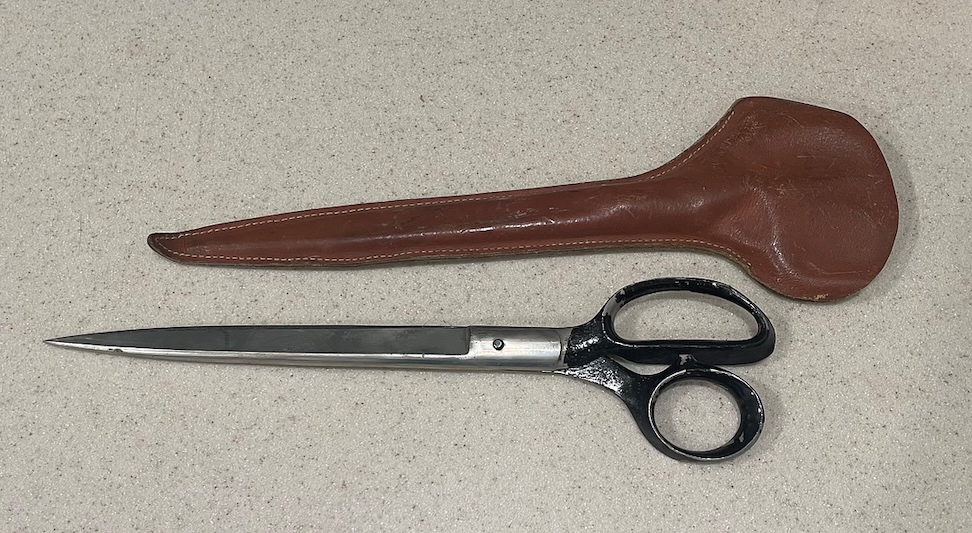
Yesterday I found myself using a pair of scissors that are more than a hundred years old.
They belonged to my grandfather. My dad kept them for decades, and when he passed away, they ended up in a box with a handful of things I couldn’t imagine throwing away. I needed to trim a few sheets of paper for a project, and for whatever reason, I reached for those old scissors instead of the newer pair sitting just a few feet away.
They still worked.
Not with the effortless precision of a brand new pair, but well enough that it was immediately obvious they had been made to last. They felt balanced, solid, and purposeful.
As I was using them, I started wondering how many hands had held them before mine. How many projects had they quietly been part of? How many ordinary moments, just like this one, had passed without anyone giving much thought to the tool they were holding?
Then a different thought crossed my mind.
The things that create the greatest value are often the ones that quietly keep doing their job long after they’ve stopped being noticed.
That seems true of organizations, too.
We spend a lot of time searching for the next big idea, the next initiative, or the next framework that promises to move the business forward. Yet some of the most meaningful improvements don’t come from adding something new. They come from carefully removing what no longer belongs, clarifying what matters most, and making room for people to do their best work.
In many ways, that’s what leadership is.
Not constantly reinventing the organization, but continually refining it. Trimming away unnecessary complexity. Sharpening priorities. Aligning expectations. Helping people see what has gradually become normal before it quietly becomes expensive.
The scissors reminded me that craftsmanship isn’t measured by how new something is. It’s measured by whether it continues creating value over time.
I hope that’s true of the work I do.
Not because of a presentation, a workshop, or a conversation, but because the way leaders think and the way organizations operate is a little better years after we’ve worked together than it was before.
Some things are built to solve today’s problems. Others continue creating value for generations. Leadership should be one of them.